

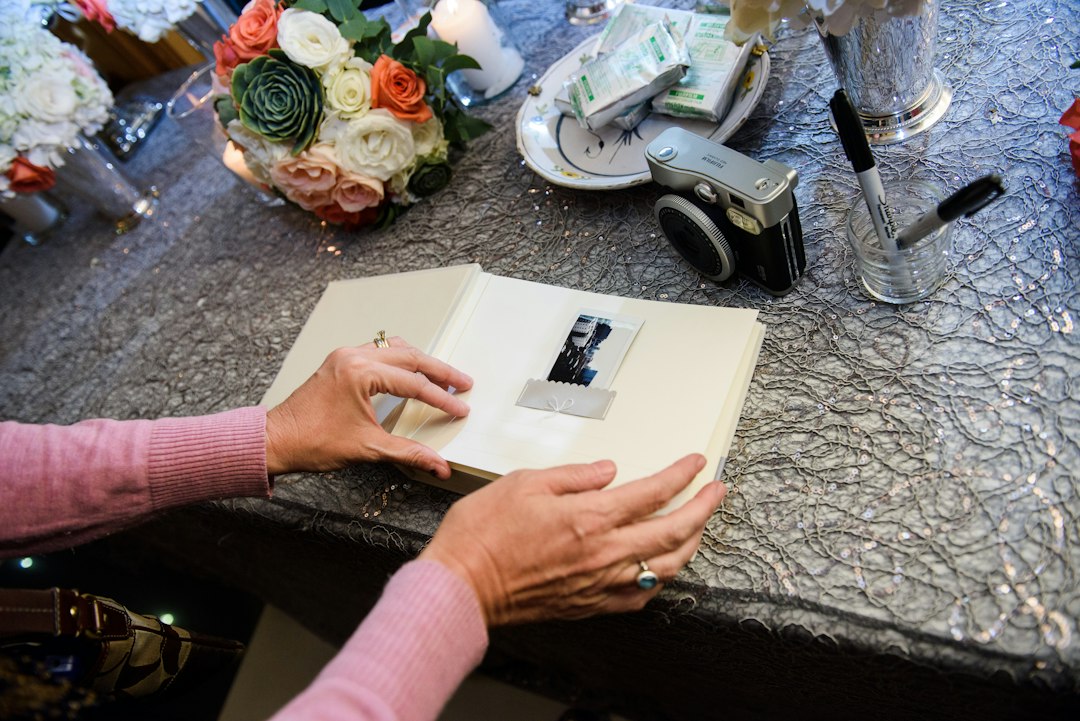
Finding personalized gifts for grandparents who already own everything they need takes more than good intentions. Keepsake gifts for grandparents often disappear into closets because they demand more effort than daily routines allow. This guide helps you choose meaningful gifts for grandma or grandpa that fit how they actually live, not how we imagine they should display our love.
Most keepsake gifts fail because they create work. A beautiful memory book requires grandparents to lift it from a shelf, turn pages carefully, and return it to storage. An engraved frame needs dusting. A photo collage demands wall space they’ve already allocated. The gift itself isn’t wrong—the mismatch between the gift’s demands and the recipient’s daily habits is the problem.
Grandparents who downsize face another barrier. Every new item competes with decades of accumulated belongings. A gift that requires dedicated display space loses to practicality. Gifts that need regular interaction—like albums that must be opened or objects that need polishing—lose to convenience.
Cognitive and physical changes matter too. Arthritis makes small clasps difficult. Vision changes make tiny text unreadable. Memory challenges mean objects tucked away are truly forgotten. A gift that worked five years ago may not work today.
Before you buy, observe one visit. What sits on their kitchen counter? What’s within arm’s reach of their favorite chair? What do they look at while drinking morning coffee? These locations reveal their actual habits, not their aspirational ones.
Notice what they touch repeatedly. A refrigerator door covered in grandchildren’s drawings gets seen dozens of times daily. A side table that holds reading glasses, the remote, and a water glass is prime real estate. A bulletin board in the hallway they pass six times a day works harder than a formal living room they enter twice a month.
Ask what they’ve recently donated or stored. If they mention clearing out shelves or simplifying surfaces, they’re actively reducing visual clutter. A new tabletop item will join the donation pile. If they talk about making things easier to reach or reducing what needs cleaning, they’re prioritizing function over sentiment.
Pay attention to how they interact with existing photos. Do they show you pictures on their phone, or do they walk you to framed prints? The answer tells you their preferred format.
| Format | What it asks of the recipient | Best when |
|---|---|---|
| Framed photo | Dedicated wall or surface space; regular dusting; commitment to one image | They have empty wall space in a high-traffic area and rarely rearrange |
| Memory book | Lifting, opening, page-turning; storage space; intentional retrieval | They already read physical books regularly and have accessible shelf space |
| Engraved object | Surface space; polishing or cleaning; tolerating decorative items | They display similar objects and have help with household maintenance |
| Digital frame | Outlet access; learning a new interface; occasional content updates | They’re comfortable with basic technology and have counter space near power |

Text size matters more than sentiment. If you’re adding names, dates, or captions, use a font size visible from three feet away without glasses. That means at least 18-point type for body text and 24-point for names. Test this by printing a sample page and viewing it from across a room.
Physical size affects usability too. A 5×7 photo is easier to hold than an 11×14. A slim book lies flat on a lap better than a thick binder. An object that fits in one hand doesn’t require two-handed coordination. Choose dimensions that match their grip strength and vision, not the largest option available.
Consider weight as well. A heavy frame needs a sturdy nail and someone to hang it. A thick album is difficult to lift from a low shelf. Lightweight options reduce physical barriers to use. If you’re choosing between similar items, pick the one that weighs less.
Contrast helps aging eyes. Dark text on light backgrounds works better than gray on white. Glossy finishes create glare under lamps. Matte surfaces and high-contrast printing make photos easier to see in varied lighting.
The best personalisation reflects relationships, not trends. “Grandma’s Kitchen” engraved on a cutting board will always be true. “Best Nana 2024” becomes dated. Names, birth dates, and simple relationship labels age well. Jokes, nicknames that might change, and references to current events often don’t.
Choose images carefully. A photo of a grandchild at age three is precious now but may feel incomplete in five years when that child is eight. Multi-generational photos—grandparent with adult child and grandchildren together—capture relationships that deepen rather than outgrow the frame. Candid moments during shared activities often mean more than posed portraits.
Avoid over-personalizing functional items. A blanket printed with one grandchild’s face is harder to use when three more grandchildren arrive. A mug with all current family members becomes outdated when the family grows. Leave room for the future, literally and figuratively.
Text should be specific but not exhaustive. “The Cooper Family” works better than listing every member’s name. “Est. 2018” marking the year someone became a grandparent is clearer than “World’s Best Grandma Since 2018.” Shorter inscriptions are easier to read and less likely to feel dated.

What if my grandparent says they don’t want anything?
They often mean they don’t want more objects to store or maintain. Focus on consumable gifts, experience gifts, or items that replace something worn out. If you want a keepsake element, choose formats that integrate into existing routines—a calendar they’ll use anyway, a blanket that replaces an old one, or a digital frame that sits where they already look.
How do I choose between a photo gift and an engraved keepsake?
Photo gifts work best for grandparents who already display family pictures and talk about specific memories. Engraved keepsakes suit those who prefer subtle reminders and use functional objects daily. If they show you their phone’s photo gallery, go digital. If they treasure a worn recipe box or old watch, choose an engraved practical item.
Can I make a memory book they’ll actually open?
Yes, if you reduce the effort required. Choose a small format that lies flat. Use sturdy pages that turn easily. Limit it to 10-20 pages so it feels completable, not overwhelming. Include large, clear photos with minimal text. Store it where they already sit—in a side table drawer or magazine basket—not on a high shelf. Similar principles apply when you’re considering the personalized gifts guide for kids, where usability determines whether a gift becomes a favorite or forgotten.
What’s the most-used keepsake format?
Items that serve a daily function win. A photo mug used for morning coffee gets seen 365 times a year. A blanket with a simple family name stays on the couch. A calendar with family photos gets checked daily. The best keepsake gifts combine utility with sentiment, so the memory comes along for the ride rather than requiring a separate interaction. You can explore options that balance function and personalization at the gift shop.
Guidance on gift selection for older adults and aging-in-place considerations draws from principles discussed by organizations including AARP, the National Institute on Aging, and senior-living resources published by outlets such as Better Homes & Gardens and The Spruce. Readability and accessibility recommendations reflect general standards for large-print materials and age-friendly design commonly referenced by vision health organizations and occupational therapy practitioners.
